The Bench · 20 November 2026
Five Years of Apple Hardware Architecture (2022–2026): The Four Accessory Breaking Points
From the final Lightning port on the iPhone 14 Pro to 2nm silicon, full-width camera visors, and variable-aperture optics on the iPhone 18 Pro — why accessories break between generations and what carries forward.
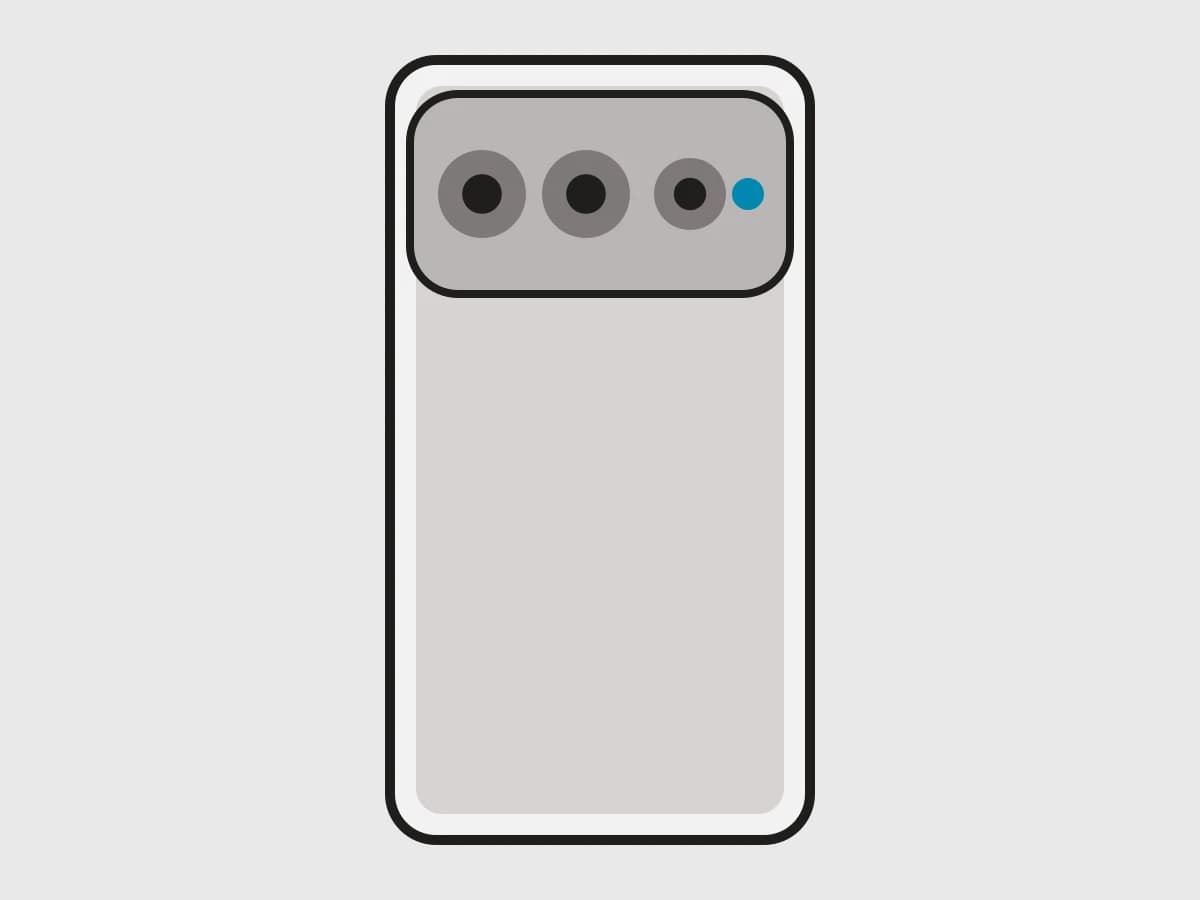
Accessories fail across generations not because case makers want them to, but because millimeter tolerances, silicon memory budgets, and thermal dissipation paths mutate every autumn. Across the five-year span from 2022 to 2026, Apple hardware underwent four major structural breaks that dictated which cables, cases, chargers, and mounts survived.
1. The 2022 → 2023 Break: Lightning to USB-C 10Gbps & Contoured Titanium
The transition from iPhone 14 Pro to iPhone 15 Pro retired the 11-year-old Lightning connector in favour of USB 3.2 Gen 2 (10Gbps), unlocking direct external SSD ProRes recording and DisplayPort video output. Simultaneously, sharp 90-degree surgical stainless steel rails were replaced by contoured Grade 5 Titanium and the programmable Action Button, breaking every fitted shell and fixed-connector dock.
2. The 2023 → 2024 Break: Capacitive Camera Control & 6.3-Inch Expansion
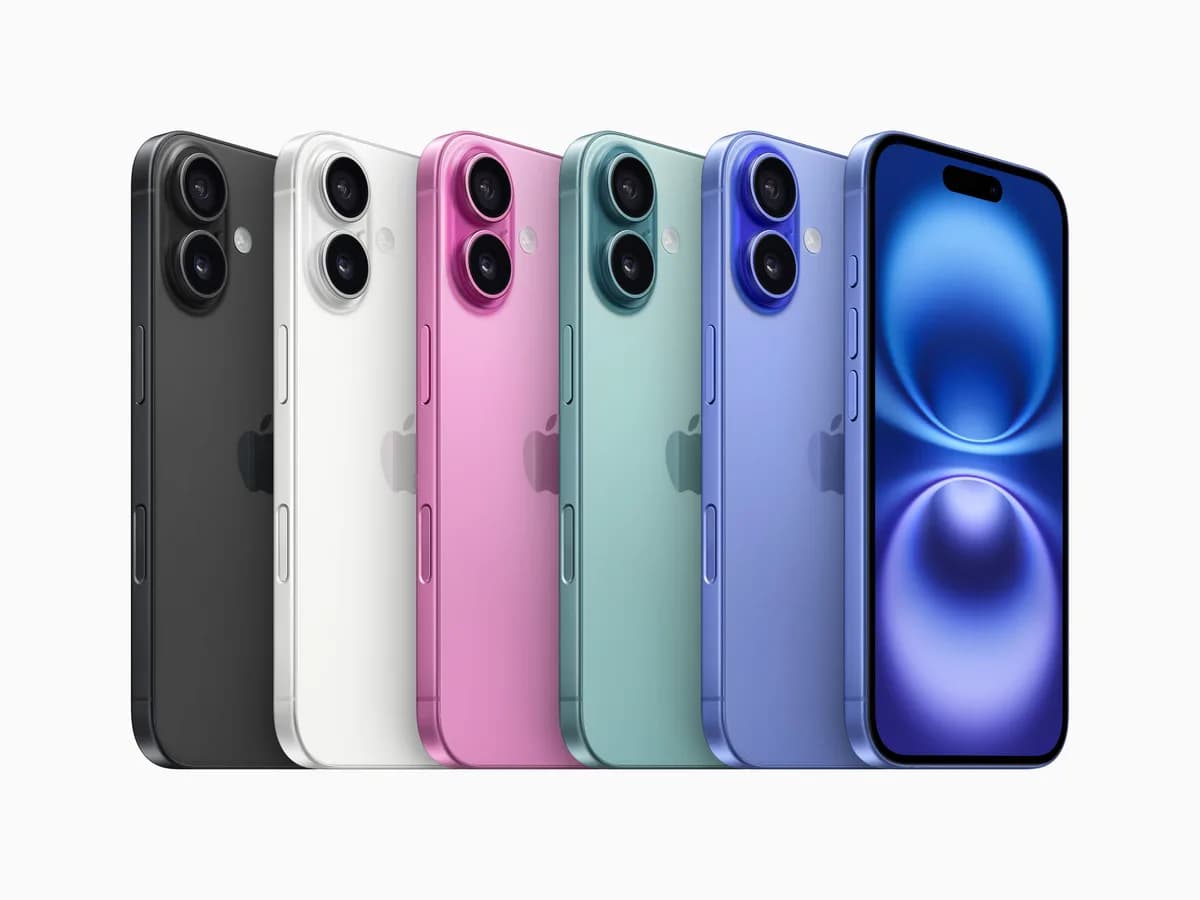
Standardised USB-C, Action Button and the capacitive Camera Control flank button across the lineup.
In 2024, the Pro display diagonal expanded from 6.1 inches to 6.3 inches with 1.20mm borders, while every model gained the sapphire-crystal capacitive Camera Control button on the lower right flank. Solid-wall cases could no longer simply punch a hole; shells needed either a bevelled finger recess or a conductive sapphire bridge, alongside 25W MagSafe wireless support.
3. The 2024 → 2025 Break: Full-Width Visor Plateau & The 5.6mm iPhone Air
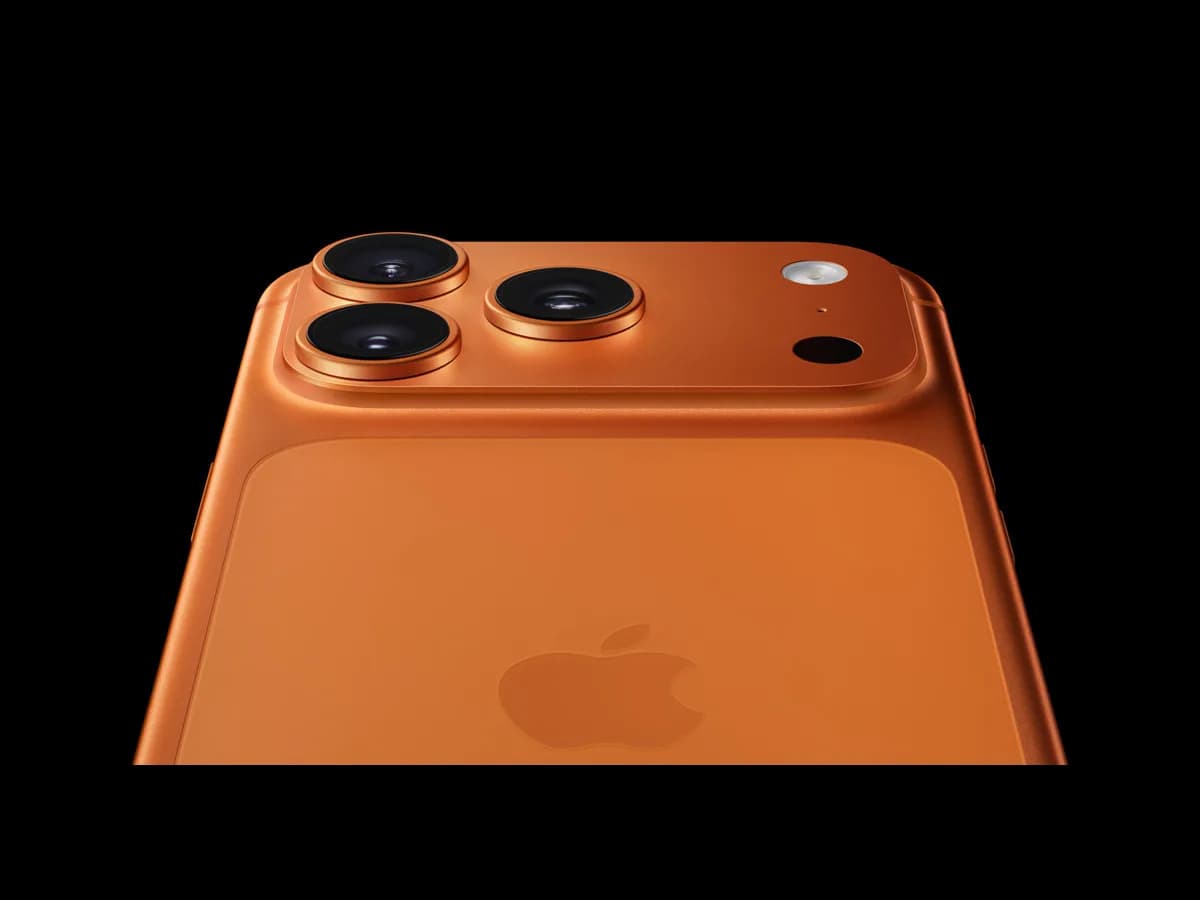
The full-width camera visor shelf replaced the corner square island, stabilizing the phone flat on a desk.
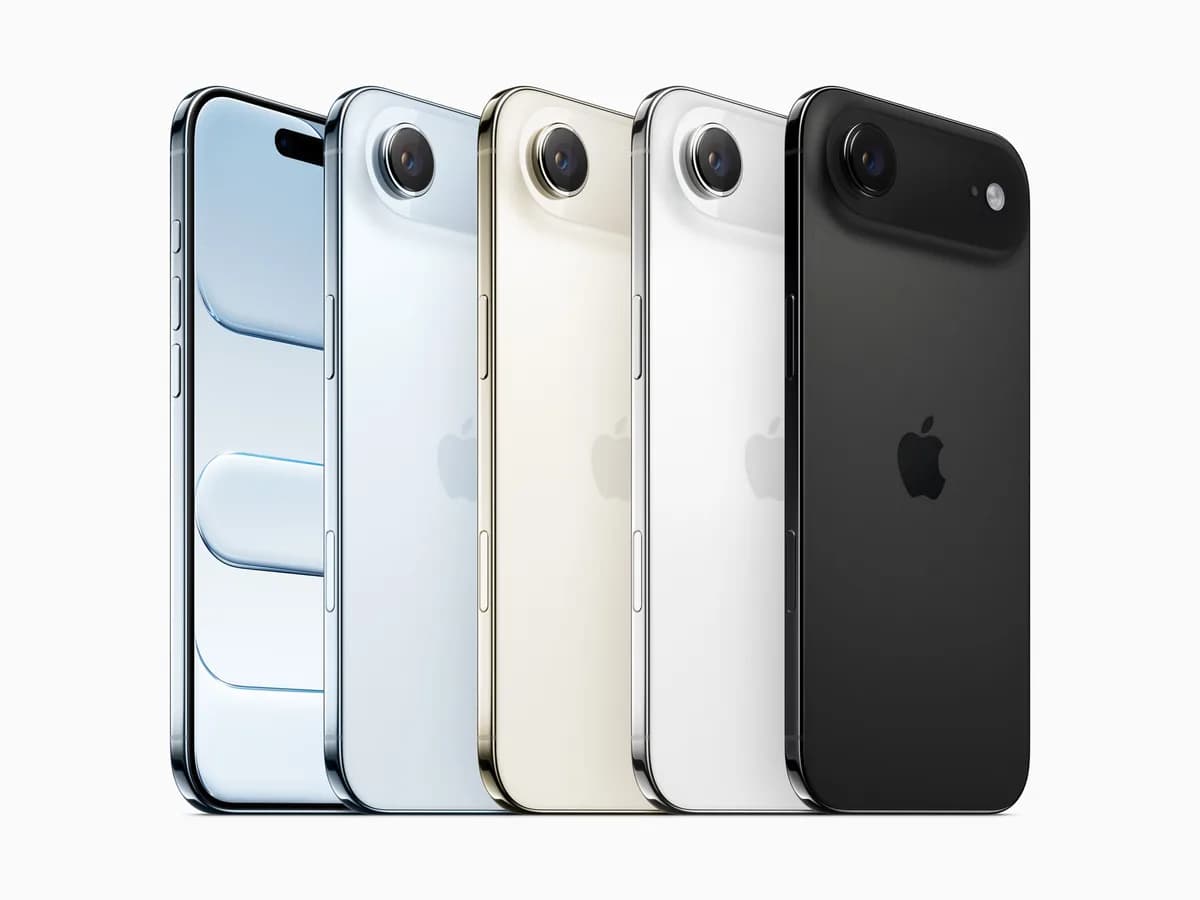
With the iPhone 17 Pro, Apple abandoned the corner square camera bump for a full-width horizontal visor shelf housing triple 48MP sensors, while bumping unified memory to 12GB LPDDR5X for local on-device AI models. Beside it, the 5.6mm ultra-thin iPhone Air introduced a single-bar silhouette that shared zero case geometry with either the base 17 or 17 Pro.
4. The 2025 → 2026 Break: 2nm Silicon, Variable Aperture & Folding Glass
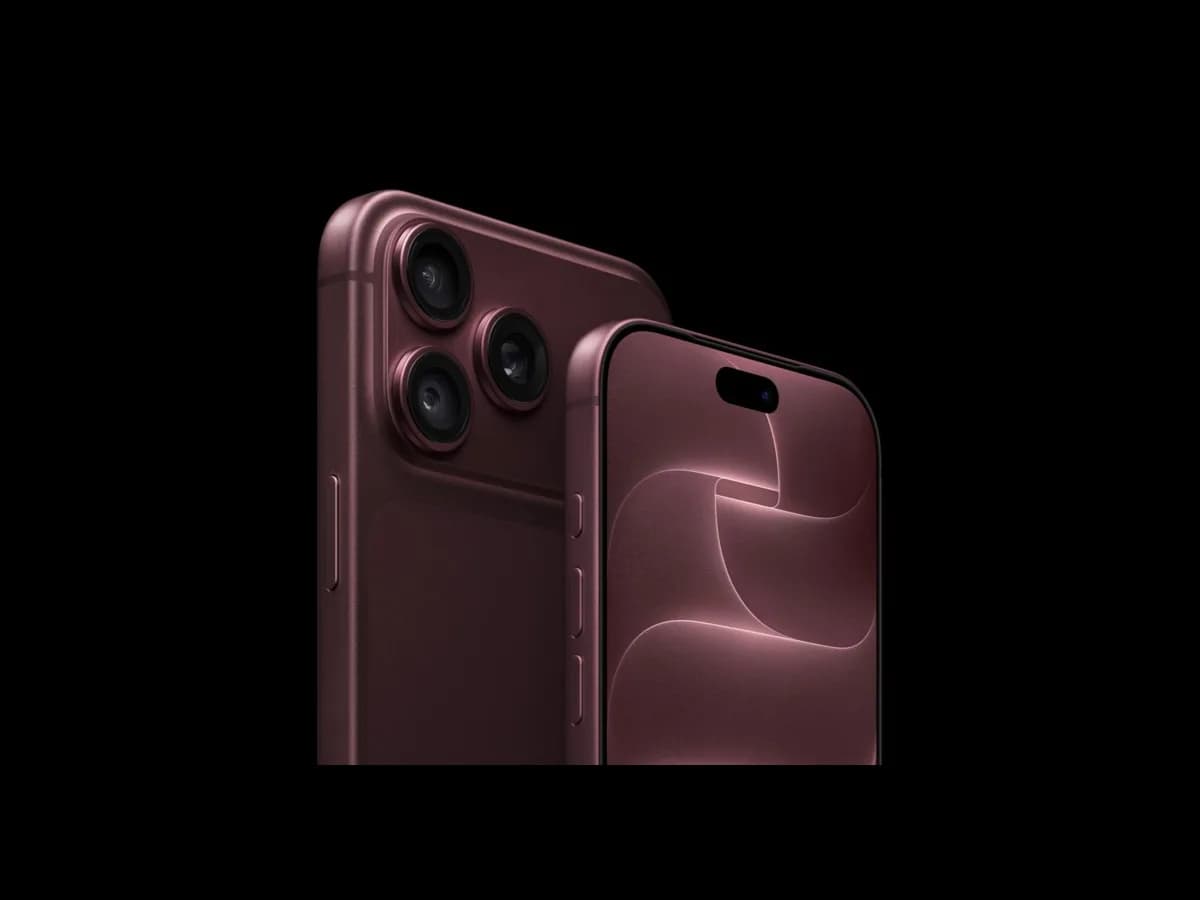
A20 Pro (2nm), recut variable-aperture plateau, and 45W USB-PD 3.1 wired charging.
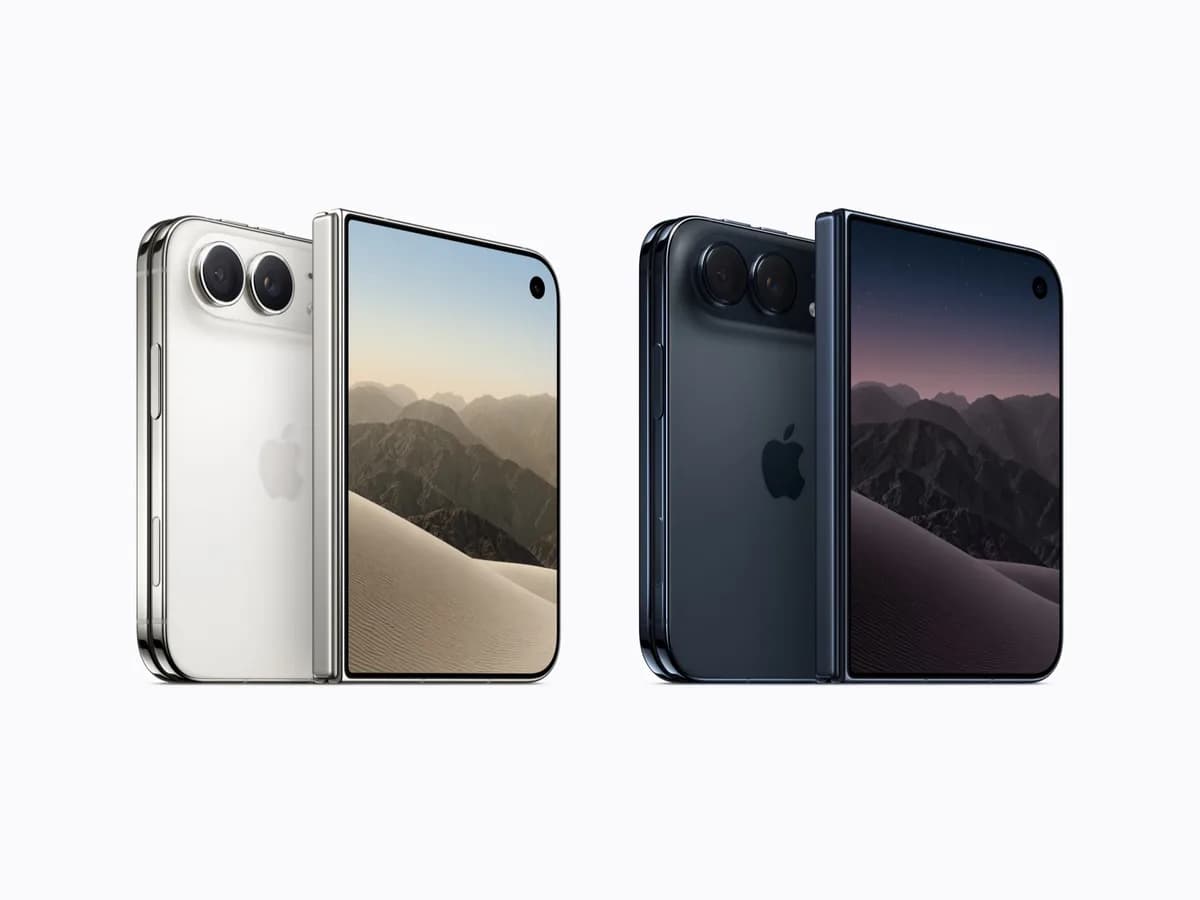
£1199.00 at AmazonThe 2026 iPhone 18 Pro moves to TSMC 2nm GAAFET silicon (A20 Pro) and switches to an aluminium-titanium unibody with a Ceramic Shield back. Because the main 48MP camera introduces physical variable-aperture blades (f/1.4–f/2.8), the plateau cutout is deeper and recut — meaning iPhone 17 Pro cases do not carry over. Meanwhile, the companion iPhone Duo introduces a dual-pivot folding chassis requiring split magnetic rings that never bridge the hinge.
“Use our interactive Compare matrix (/compare) to line up any Mobile Phone, Tablet, Mini PC or GaN Charger side-by-side before ordering parts.”
The retailer links in this piece are affiliate links — we earn a commission when you buy through them, at no extra cost to you. Prices are read out of our offer table as the page loads rather than typed into the copy, but they are the maker’s UK RRP rather than a live retailer price: the retailer’s own page is the final word.